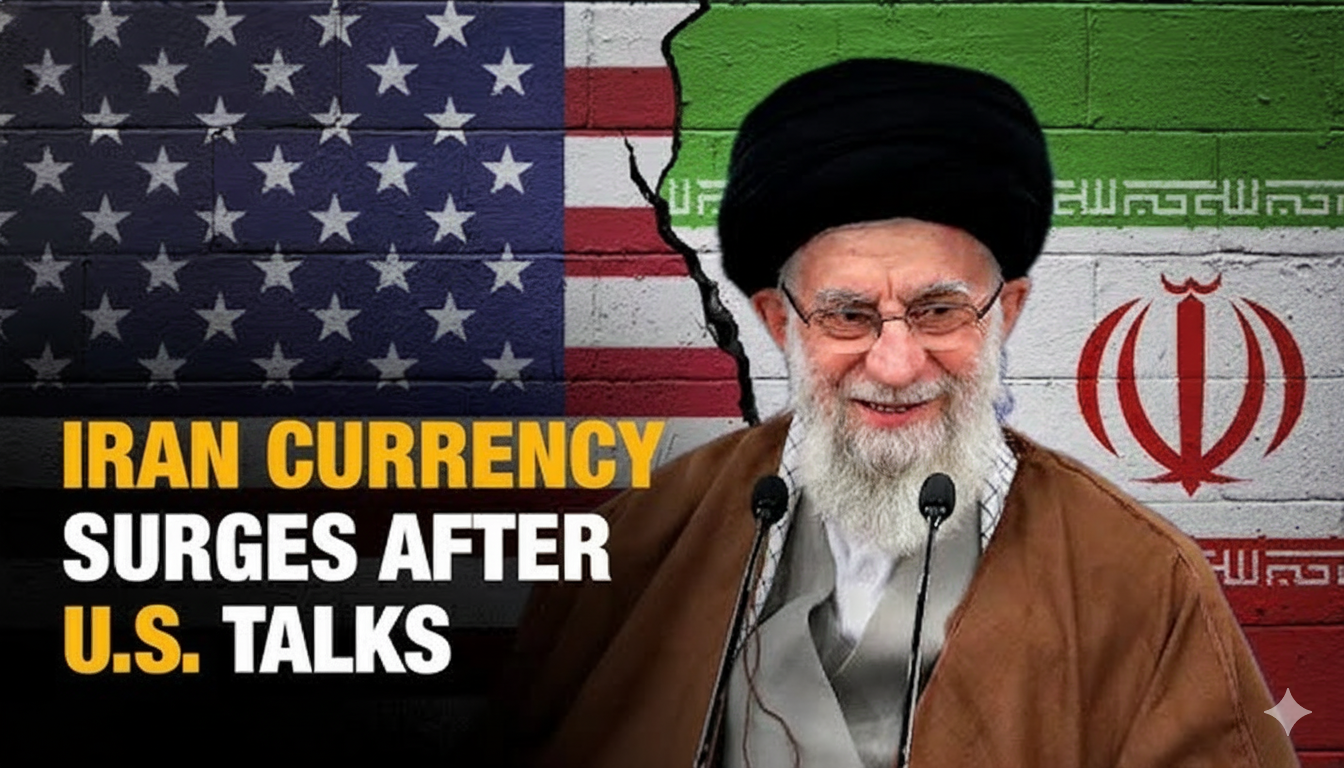
The Problem: When Zeros Lose All Meaning
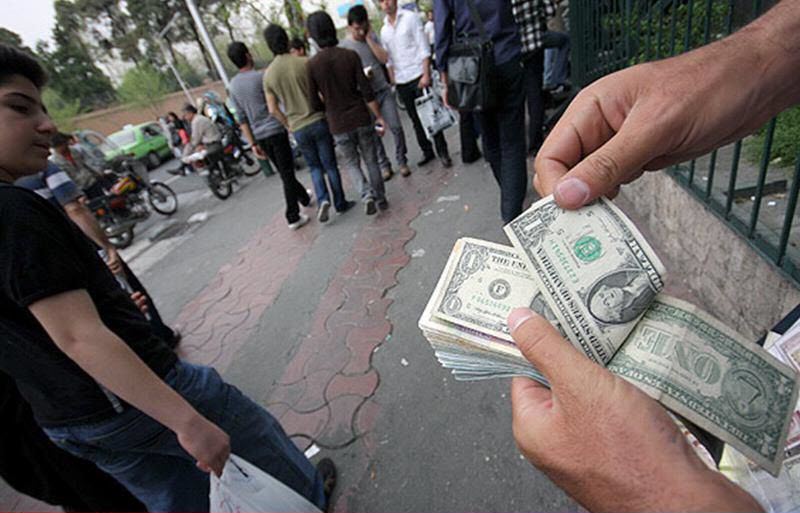
Think about trying to run a business when the prices of your goods are constantly counted in millions and billions. That’s been the grim reality for years in Iran. The Rial’s value plummeted so severely that conducting simple, daily transactions became a monumental effort. People had to physically carry massive bundles of high-denomination notes just to buy groceries. This wasn’t just inconvenient; it was chaotic.
This kind of chaos doesn’t just hinder commerce; it chips away at public trust. When your national currency is so volatile, it creates pervasive anxiety and makes any kind of long-term financial planning impossible. For too long, the economic system itself felt broken, necessitating a symbolic ,if not structural reset.
The Cause: Sanctions, Isolation, and a Crippling Spiral
The root of this currency crisis isn’t a simple error; it’s a direct result of crippling external forces and internal pressures. The primary villain here is the aggressive economic sanctions imposed by the United States, especially the “maximum pressure” campaign.
These sanctions have effectively suffocated Iran’s main source of income: its oil and gas exports. Since the US Dollar is the heavyweight of global trade, restricting access to dollar-denominated markets has essentially cut Iran off from the global financial circuit. When you can’t sell your primary product or earn foreign currency, you can’t pay for crucial imports—things like machinery, medicine, and food.
This created a vicious imbalance. As export income evaporated, the nation’s need for imported goods remained high. The government was left with few options but to cover its deficits by printing money, which is the fastest way to ignite hyperinflation. The figures are startling: Iran has battled inflation that has reportedly soared above 43%. Imagine your savings losing almost half their value in a year—that’s the brutal reality.
This economic spiral has taken a toll on the country’s standing. Iran’s GDP now lags significantly behind regional competitors. Its economic woes place it in the company of countries like Venezuela, Sudan, Turkey, Brazil, and Zimbabwe, all nations that have been forced to redenominate their currencies to cope with severe instability.
A New Toman, But Old Problems
The redenomination involves stripping four zeros from the Rial, essentially making 10,000 old Rials equal to 1 new Rial. This move also formalizes the common use of the Toman, a familiar name that will now serve as the new unit of currency.
The implementation is designed to be slow and cautious. There’s a multi-year transition period, allowing the banking sector to update its systems, print new cash, and let people adjust. This gradual pace is vital to prevent panic and further economic disruption.
But let’s be clear: this measure is purely cosmetic. It’s an arithmetic adjustment, not an economic miracle. It does the essential job of cleaning up the messy numbers, but it doesn’t solve the fundamental issues:
- It does not reduce inflation.
- It does not restore lost purchasing power.
- It does not magically lift sanctions.
It’s a band-aid on a gaping wound. While it provides a much-needed psychological break and makes accounting easier, the true value of the new Toman will remain tethered to the nation’s ability to stabilize its trade, control its monetary policy, and, most critically, re-engage with the global economy.
A Stable Contrast: Why India Doesn't Need This Fix
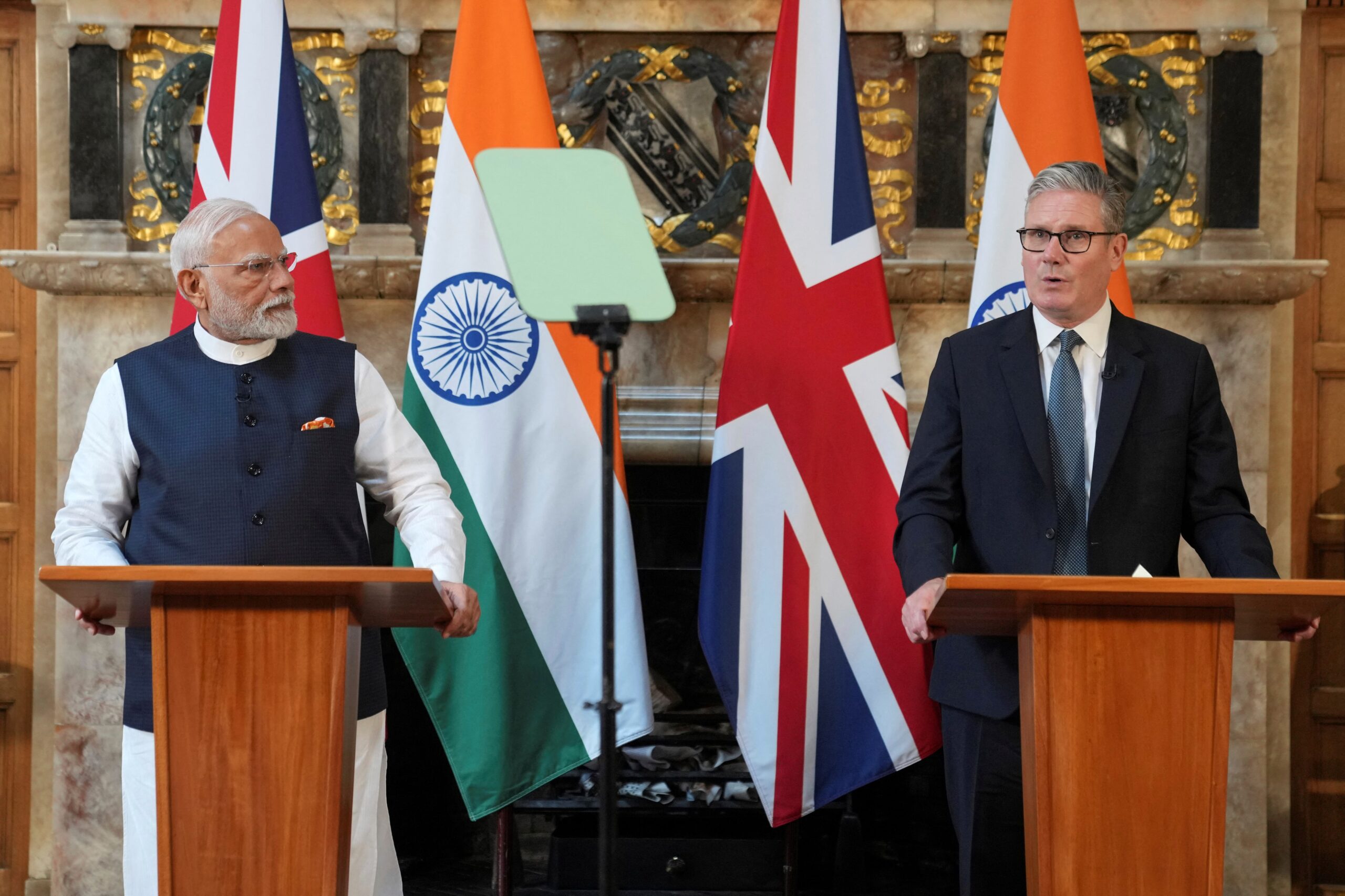
Iran’s drastic step raises a logical question for citizens of other countries: Should a nation like India, which also faces dollar exchange fluctuations, consider a similar move to simplify its currency ratio?
The answer is a decisive no.
India’s economy is in a completely different category. Its financial system is robust and well-managed:
- Inflation is Controlled: India’s inflation operates within a defined, managed target range, ensuring predictability and stability.
- Growth is Strong: The economy is characterized by strong, consistent GDP growth, affirming its trajectory as a major global power.
- Massive Reserves: India holds one of the world’s largest foreign exchange reserves, a powerful shield against global economic shocks and a sign of its strong external financial position.
Redenomination is a tool of last resort, reserved for economies facing collapse. India’s economy is growing and stable. Implementing such a measure would be entirely unnecessary and would only serve to confuse the markets and erode public confidence in an otherwise healthy currency.
Conclusion: Structural Reform is the Only Cure
Iran’s currency redenomination is a painful but necessary operational step. It closes a chapter on hyperinflation by literally wiping the slate clean of excessive zeros. However, the real work—the hard, complicated work—remains.
The stability of the new currency won’t come from changing its name or dropping a few digits. It must come from deep structural reform, resolving geopolitical disputes, attracting foreign investment, and, crucially, securing stable pathways for its vital oil and gas exports. Until these underlying economic pressures are fully addressed, the new Toman will merely be a fresh start, not a guaranteed success story.