
High-Stakes Economics: Decoding the UK-India Trade Deal and Iran’s Currency Crisis
This blog post analyzes two major economic headlines: the UK-India Free Trade Agreemen (FTA) and Iran’s currency redenomination. Both stories highlight the intense pressure on nations to secure growth or manage economic breakdown.
Part 1: The UK-India Trade Deal (FTA)
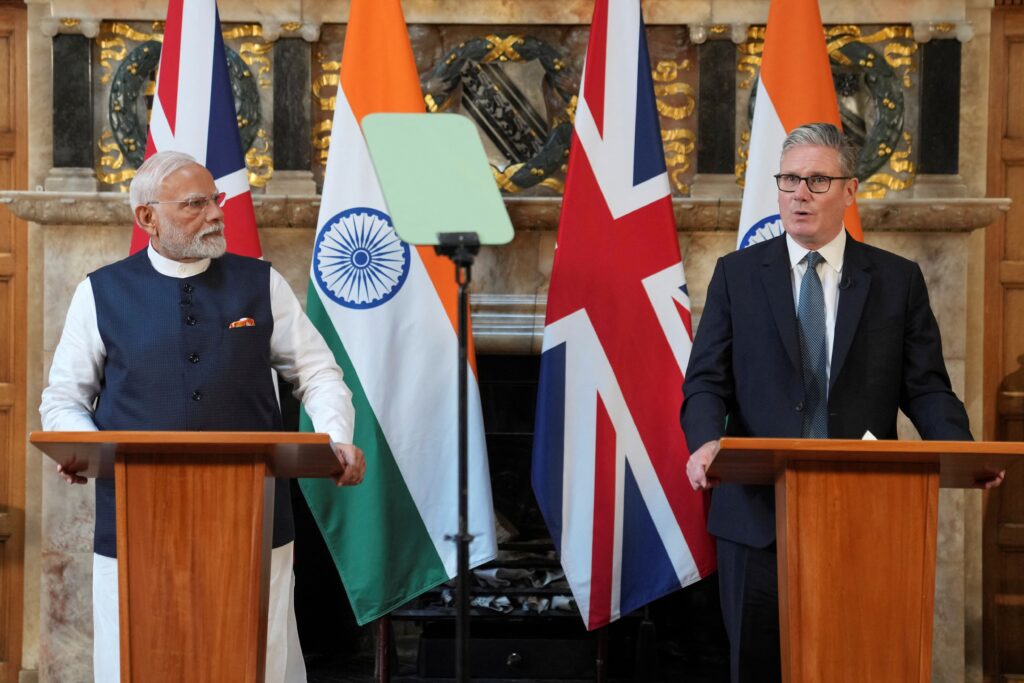
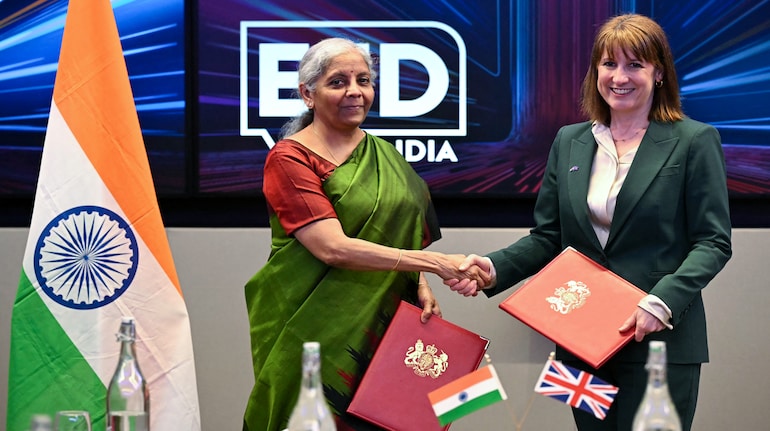
The recently signed Free Trade Agreement between the UK and India is the UK’s largest new bilateral trade deal since leaving the European Union. For both countries, it represents a crucial strategic move aimed at unlocking significant economic growth.
Problem: High Tariffs Blocked Trade
Historically, UK businesses faced high entry barriers to the vast Indian market. India’s average tariff rate on UK goods was around 15% in 2024. This trade protectionism limited the growth potential between the two economies.
- Trade Data (2024): Total annual trade in goods and services was over 4,74,823 crore , but the UK ran a trade deficit of approximately 99,713 crore . The goal is to move past modest figures and achieve a genuine trade surge.
The UK government has attached specific, high-profile targets to the deal, generating huge business expectations.
- UK GDP Projection: The agreement is officially estimated to increase the UK’s GDP by 0.13% in the long run, equal to an annual boost of approximately 56,979 crore .
- Trade Target: Total trade between the two nations is projected to increase by around 3,02,699 crore over the long term.
- Sectoral Pressure: The UK’s textile and apparel sector is projected to face lower output, estimated to drop by around 1,353 crore in Gross Value Added (GVA), due to increased competition from imports.
These targets are critical. The deal must rapidly cut costs and red tape to prove its worth, especially to exposed sectors.
Solve: Tariff Cuts and Strategic Market Access
The FTA’s core solution is aggressive market liberalization:
- Tariff Elimination: India will cut its average tariff on UK products from 15% to just 3%.
- Key UK Gains: Duties on Scotch whisky will be immediately slashed from 150% to 75% and reduced to 40% over ten years. Tariffs on cars and medical devices will also see major cuts.
- Key India Gains: India secures duty-free access for almost 99% of its goods exports to the UK. This directly benefits major sectors like textiles, leather, and gems.
- Services and Mobility: The deal includes provisions for easier movement of skilled professionals and new market access rules for UK financial and legal service firms in India.
Part 2: Iran’s Currency Crisis—The Shadow of Sanctions
In a different scenario, Iran is facing a severe internal crisis, evident in its decision to officially change its national currency.
Problem: Hyper-Depreciation and Transaction Chaos
Iran’s official currency, the Rial (IRR), has suffered a catastrophic loss of value. This is due to persistent high inflation and structural economic isolation. The value is so low that daily transactions are practically unmanageable.
- Real-World Value: The Rial’s value has plummeted, with one US Dollar trading for over {1,100,000} Rials on the unofficial market.
- Informal Fix: Iranians already use the Toman informally, which simply means removing one zero (1 Toman = 10 Rials) to make prices simpler.
Agitate: Sanctions Fuel the Instability
The primary cause of the currency collapse is the USA sanctions regime. These measures aggressively target Iran’s oil sales and its access to global financial systems.
- Sanctions Impact: By blocking Iran from selling oil for hard currency (US Dollars), sanctions create a critical shortage of foreign exchange.
- Inflation Link: The government has to print money to cover budget deficits. This directly causes rampant inflation (often over 30% annually), which makes the Rial constantly lose value. Sanctions intensify this vicious cycle.
- Practical Effect: This only changes the numbers on the bills. It simplifies transactions and record-keeping, a necessary practical adjustment.
- Economic Impact: The redenomination does not stop inflation or create wealth. Until US sanctions are lifted and inflation is controlled, the new Toman will face the same devaluation pressures that destroyed the old Rial. The impact of US sanctions remains the single biggest hurdle to Iran’s economic stability.