
Here is a short summary of the article:
The article analyzes the highly controversial decision by the BCCI to remove Rohit Sharma as India’s ODI captain and appoint Shubman Gill in his place, despite Rohit having recently led the team to victory in both the Asia Cup and the Champions Trophy.
The central critique is the unceremonious timing and perceived disrespect shown to Rohit, whose ambition to captain in the 2027 World Cup was abruptly ended. This move is attributed by critics to the assertive, long-term vision of the new management, including Chief Selector Ajit Agarkar and Head Coach Gautam Gambhir, who are reportedly intent on enforcing a rapid generational transition and unifying the leadership under Gill for the next World Cup cycle.
The article acknowledges the official rationale—that Gill needs time to mature as captain and that three different format captains are impractical—but concludes that while the transition is strategically focused on the future core, the handling of the senior legend has sparked significant debate over the need for respect and better communicati on.
Rohit Sharma, Shubman Gill Captaincy, India Cricket Leadership Transition, Gautam Gambhir Coach, Ajit Agarkar, BCCI White-Ball Future, Virat Kohli Future, 2027 World Cup Planning.
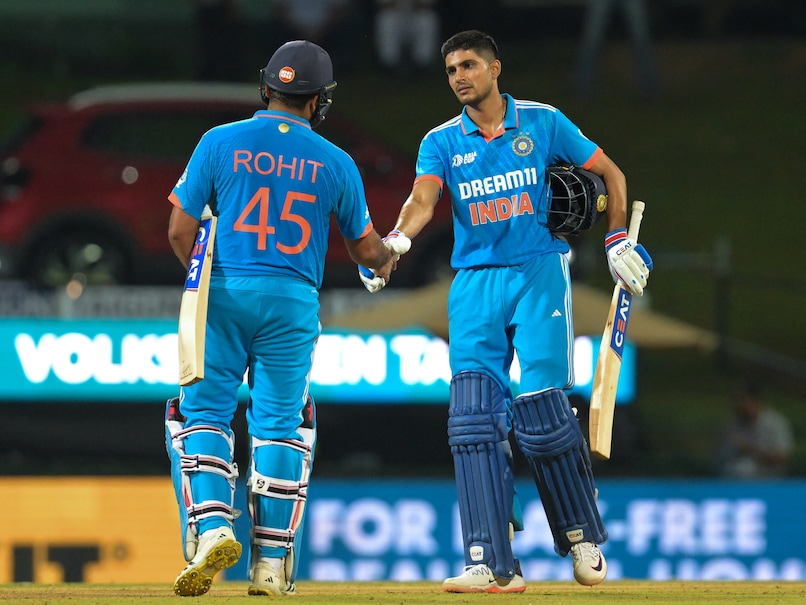
The landscape of Indian cricket has been abruptly reshaped following the Board of Control for Cricket in India’s (BCCI) decisive move to remove Rohit Sharma as the captain of the One Day International (ODI) team. The reins have been handed over to the young Test captain, Shubman Gill, a clear signal of the management’s accelerated vision for the future. This decision, announced shortly after Rohit had led India to two major white-ball trophy victories—the Asia Cup and the Champions Trophy—has ignited a firestorm of controversy and debate among fans, former players, and media pundits. The consensus from many corners is that the timing and handling of this transition were deeply flawed, a sentiment fueled by the perception that the management chose an unceremonious route to conclude the tenure of one of India’s most successful white-ball skippers.
The Controversy: Success, Ambition, and an Abrupt End.
The most striking element of this captaincy change is the context in which it occurred. Rohit Sharma’s leadership era, though relatively brief as a full-time captain, was marked by tactical acumen and significant trophy success. His track record in white-ball cricket—especially in guiding India to the 2024 T20 World Cup and the recent Champions Trophy—cemented his status as a winning leader.
The Timing and Treatment of an Icon
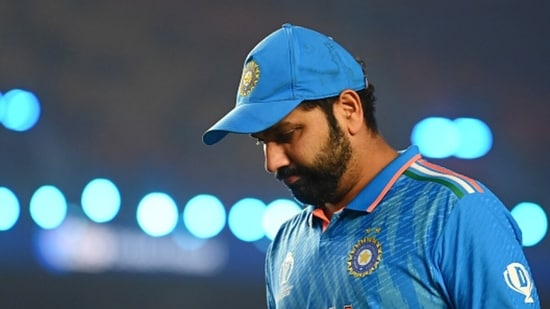
The major criticism leveled at the selection committee, headed by Ajit Agarkar, and the team management, featuring Head Coach Gautam Gambhir, is the perceived lack of respect in the manner of the dismissal. The argument is simple: why remove a highly successful captain immediately after he has delivered major silverware?
Many believe the management deliberately waited for a period of success to mitigate the public fallout before implementing a decision that had already been made. This approach is viewed as short-sighted and detrimental to team morale, especially considering Rohit Sharma’s well-known ambition. It was public knowledge that the 2027 ODI World Cup was his ultimate goal as a player and leader, making the abrupt end to his captaincy an act that, to his supporters, feels like a dream unjustly “snatched away.”
Veteran players and commentators have called for a more communicative and respectful approach, suggesting that a leader of Rohit’s stature should have been allowed the dignity of stepping down on his own terms or leading a final, celebratory farewell series. The recurring historical pattern of Indian cricket’s management handling the exit of its legends poorly—a pattern that has included figures like Virat Kohli in the past—only intensifies the current scrutiny.
Allegations of a Strategic ‘Clean-Up’
The arrival of Gautam Gambhir as Head Coach is central to the speculation surrounding this aggressive transition. Gambhir is renowned for his no-nonsense attitude and firm conviction, qualities that many believe he was specifically brought in to deploy.
The narrative emerging from cricketing circles suggests that Gambhir was tasked with enforcing a necessary, albeit difficult, generational shift. This view holds that the management felt the influence of senior players, who had largely dictated the team’s direction for a decade, needed to be curtailed to allow younger players to assume greater responsibility and develop freely. Gambhir, in this reading, is the unflinching figure making the “hard call” to ensure a “clean transition” across all formats, regardless of the immediate emotional or public backlash.
The Rationale: Long-Term Planning and the Future Core
While the controversy is focused on the execution, the official rationale for the decision is rooted in a clear, long-term vision focused on the 2027 World Cup cycle.Unifying Leadership Under Shubman Gill
The most compelling argument put forth by the BCCI is the need for a unified leadership structure. With Gill already appointed as the Test captain following Rohit and Kohli’s retirements from the longest format, elevating him to the ODI role creates a single, multi-format captain for the main squads (with Suryakumar Yadav leading the T20I side).Chief Selector Ajit Agarkar stressed the impracticality of having a different captain for every format, especially with the 50-over game being played less frequently in the current schedule. This consolidation aims to give Shubman Gill, who is over a decade younger than Rohit Sharma, a substantial runway to build his own team culture and strategy over the next three years.
Fostering the New Generation The transition is directly tied to empowering the new core of the Indian team. Since the T20 World Cup, younger players have demonstrated their ability to perform under pressure. Gill’s successful Test captaincy debut in England and the emergence of talents like Rishabh Pant, KL Rahul, Mohammed Siraj, and Washington Sundar in key roles are evidence that the team is ready to move beyond its traditional anchors.By removing the senior leadership figures, the management aims to force these young players to shoulder immediate responsibility, make autonomous decisions, and develop into the next generation of match-winners and leaders. The idea is that an accelerated transition, though painful, will harden the new core for high-stakes tournaments.
The Future Dynamics: Rohit, Kohli, and the New Era.
The change in captaincy is not a complete removal of the veterans. Both Rohit Sharma and Virat Kohli have been retained in the ODI squad as specialist batsmen for the upcoming tour of Australia, confirming their fitness and current availability. This dynamic introduces a fascinating new layer of team chemistry: two of the greatest players of their generation will now be playing under a captain a decade their junior.The Role of the Senior Statesmen
For Rohit and Kohli, their focus must now narrow exclusively to their batting form. Their inclusion depends solely on their performance, with no leadership safety net. Their presence, however, will be invaluable in the dressing room, offering experience and mentorship to Shubman Gill during his formative years as ODI captain. Their ability to adapt to a supporting role will be crucial to maintaining a harmonious and successful environment.
The Path to 2027
Ultimately, the success of this controversial transition will be judged by the results of the 2027 World Cup. The BCCI and the management team, led by Gambhir and Agarkar, have prioritized long-term strategic advantage over immediate public sentiment. They have made a significant statement: a new era has begun, defined by youth, continuity across formats, and a hard-nosed approach to building a formidable side.
The challenge now lies in ensuring that the professional decision to move on from Rohit Sharma’s leadership is not allowed to overshadow the immense contributions he made to Indian cricket, nor should it disrupt the morale of the team as it sets off on its journey towards the next World Cup cycle. The transition is complete; now, the performance begins.